A Taste of Time: Exploring the Rich Heritage of Historical Cuisine and Dining Traditions
Imagine stepping into a time machine, but instead of traveling through space, you traverse the rich tapestry of culinary arts woven throughout history. Have you ever wondered how the dining customs of ancient civilizations shape our meals today? Or how the recipes of the past influence contemporary gastronomy? Uncovering the roots of historical cuisine opens a fascinating window into our ancestors’ lives and sheds light on the evolution of food service. Throughout centuries, the preparation and presentation of food have been paramount, reflecting social status, cultural values, and even geopolitical influences. Buckle up as we embark on this delectable journey that highlights the significance of culinary history and its delightful evolution.
Historical cuisine is not merely about ingredients or cooking methods through history; it's a powerful story of survival, innovation, and adaptation. Take, for instance, the way meal serving history has transformed from communal eating with the entire family gathered around one large dish to the sophisticated dining experiences we enjoy today. Interestingly, dining customs were often dictated by local resources and the prevailing nutritional traditions of the time. For those of us who cherish cooking heritage, it’s intriguing to think about how our great-grandparents might have prepared dinner using just fresh ingredients from the garden, and how much creativity was woven into those recipes. Could you imagine sharing a meal that was literally cooked from the ground up?
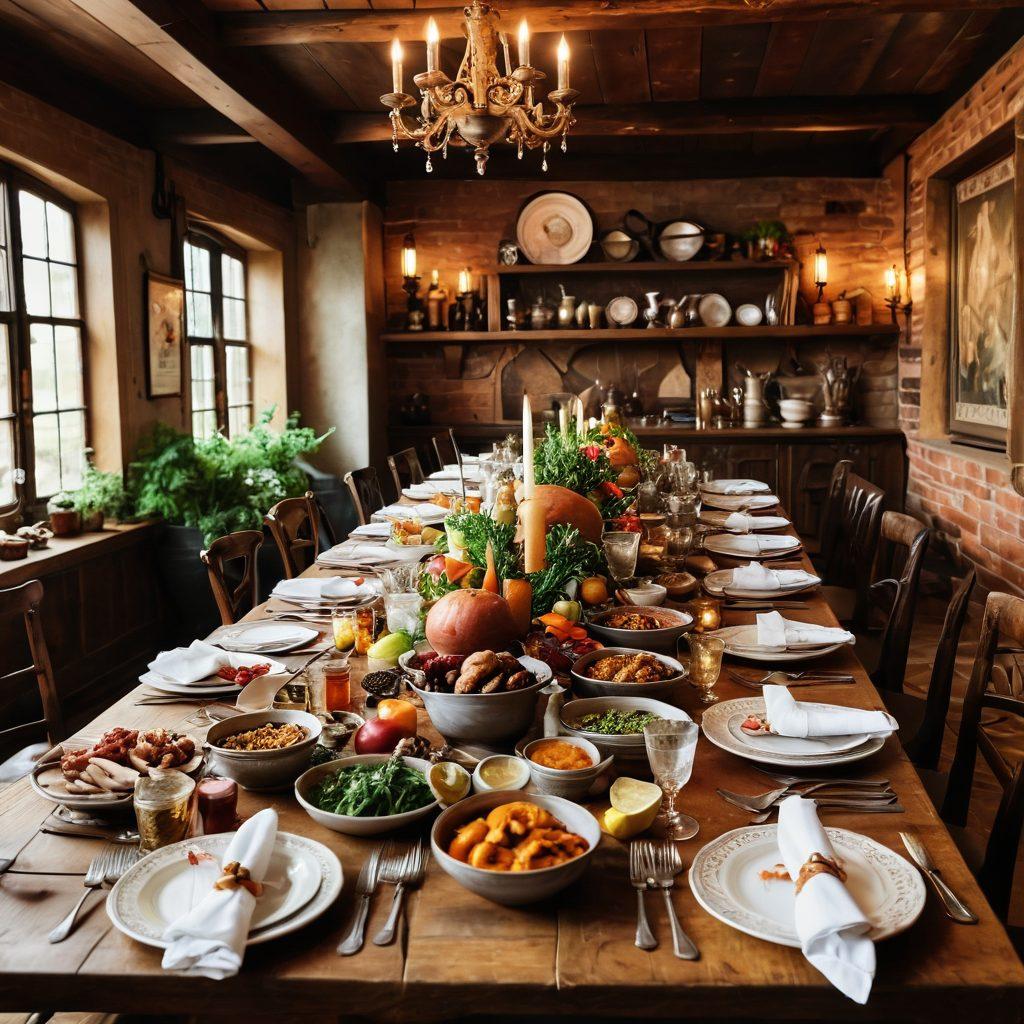
In exploring the evolution of food service, we can’t overlook the contribution of catering traditions. From grand banquets of the aristocracy to modern-day catering services, food has been a critical part of celebrations and community gatherings. What better way to understand the vibrancy of historical dining than to look at the delightful practices employed in banquet halls of the past? Picture lavish feasts adorned with rustic charm, where every dish told a story and every flavor was a reflection of cultural dining. It reminds us that every dinner party history carries not just the flavor of the food, but a rich narrative that has been passed down through generations.
One cannot speak of culinary arts history without acknowledging the regional variations that define culinary practices. Heritage cooking practices differ vastly around the globe, shaped by available ingredients and cultural influences. For instance, the fusion of spices in Indian cuisine reflects centuries of trade and cultural exchange. Meanwhile, European, Asian, and African kitchens all boast their unique flavors and methods that have evolved over time. Isn’t it amazing how a simple recipe traveled, transformed, and adapted to the values and resources of a new place? Our taste buds become an epicenter of cultural dialogue when we explore the intricate layers of gastronomic heritage.
As we sit down to enjoy a meal today, whether it's a simple breakfast or a lavish dinner party, we should take a moment to appreciate the culinary arts that have been handed down through generations. Embracing the diversity found in our kitchen traditions imbues modern cooking with historical significance. Why not experiment with cooking methods through history? Delve into heritage recipes or invite friends to celebrate a themed dinner anchored in the glorious past—because food is more than sustenance; it's a rich mosaic of our shared human experience. By embracing these diverse culinary paths, we can not only enjoy our meals more but also connect deeply with the world before us. What will you cook this weekend that honors the flavors of history?
Savoring the Past: How Historical Dining Customs Shape Today's Gastronomic Scene
Are you ready to take a delicious journey through time? When we sit down to enjoy a meal, it's easy to forget the intricate tapestry of historical cuisine and culinary history that has shaped our dining customs today. Imagine tasting flavors that have traveled through centuries, each bite a whisper of cultures past, each recipe a relic of the evolution of food service. As we savor the present, we must also cherish the culinary arts history that gifts us with the food we enjoy today. So, how do the dining customs of yesterday influence our gastronomic scene?
To understand the present, we must look back. The recipes of the past tell tales of nourishment rooted in cultural dining practices, reflecting not just survival, but societal values. Think about the communal meals that brought families together in ages gone by— what can we learn from these kitchen traditions? The dinner party history of our ancestors provides insights into hospitality, etiquette, and the value of sharing food. As we explore the heritage cooking practices, we find that food isn’t just about sustenance; it’s about connection.
Throughout time, meal serving history has evolved magnificently. From the rustic feasts of ancient civilizations to the sophisticated plating of today’s gourmet experiences, there’s an intricate story behind every dish we consume. The culinary history surrounding food service reveals how influenced our current catering traditions have been by practices of the past. What was once a simple gathering now becomes a complex orchestration of flavors, techniques, and presentation that dazzles the modern palate. It’s clear that historical dining not only preserves taste but also nurtures the relationships built around the table.
Consider how cooking methods through history have molded our approach to food preparation history. Our ancestors relied on techniques handed down through generations, crafting their meals with what nature provided. Today, as we indulge in those same ingredients but with innovative twists, we preserve a precious legacy while paving the way for new culinary creations. How can we incorporate these nutritional traditions into our lives? Could we revive forgotten flavors or reimagine lost recipes, enhancing our meals with a purpose and a story?
Simply put, the gastronomic heritage we enjoy today is enriched by the past. As we delve into this vibrant exploration of historical cuisine and dining practices, let’s appreciate every meal served to us as a continuation of a rich legacy. Be it at a lavish dinner party or a simple family gathering, each gathering pays homage to our forebears, who nourished not just the body but the spirit. So, the next time you savor a dish that excites your taste buds, take a moment to reflect on the culinary journey that brought it to your table. What part of our historical dining can you celebrate in your next meal?
From Kitchen to Table: The Evolution of Food Service and Catering Traditions Through Time
Food has always played a central role in human existence, evolving far beyond mere sustenance into a rich tapestry woven from the threads of history, culture, and tradition. Imagine a grand banquet held in ancient Rome, or a humble family dinner around a fire in the Middle Ages; each bite and every ritual of dining resonates with echoes of the past. As we embark on a journey through the evolution of food service and catering traditions, we not only discover food preparation history but also gather insights into the culinary arts history that has shaped our dining customs today. So, grab a seat at the table as we savor the flavors of our history and explore how these practices have transitioned from kitchen to table over time.
It’s fascinating to reflect on how food service history has evolved from feasts served amidst royalty to the establishment of catering services that delight guests at modern-day celebrations. In the past, meal serving history was often an intricate affair, with servants meticulously attending to the needs of nobles and distinguished guests. Fast forward to contemporary dining, and we now enjoy buffets, food trucks, and even private chefs in our homes—all stemming from the rich legacy of historical cuisine. But what are the moments that inspired these shifts? Could it be the influence of various cultures and their culinary traditions that propelled us toward a more diverse dining landscape?
The importance of cooking heritage cannot be emphasized enough. Every recipe of the past tells a story, revealing the nutritional traditions and kitchen traditions that defined different cultures. From the fragrant spices of the East to the hearty grains of the West, every region has contributed to our gastronomic heritage in unique ways. We can imagine a dinner party history where food not only nourished the body but also nurtured relationships and community ties. Historical dining was more than just a meal; it was a gathering of souls, a celebration of togetherness. How have our modern practices lost or transformed these ancient traditions?
As we dissect the cooking methods through history, we also reveal fascinating culinary practices from different cultures that have laid the groundwork for today’s food service. From early communal cooking techniques to sophisticated restaurant dining experiences, the evolution of food service is a testament to human innovation and adaptability. In many ways, cultural dining reflects societal changes—what was once communal in nature has become individualistic, and yet, we continuously find ways to bring people together around the dining table. Have we truly moved forward, or have we instead come full circle? If only the walls of our oldest establishments could talk!
So, as we sit down for our next meal, let’s acknowledge the heritage cooking practices that have shaped our plates. From adapting ancient recipes to stand the test of time to embracing sustainable and locally sourced ingredients, the journey from kitchen to table is a captivating one. Let's remember that every bite we take is steeped in history and culture—an invitation to appreciate not just the flavors, but the story behind them. As we look to the future of food service and catering traditions, what can we incorporate from our culinary history to ensure every meal becomes a heartfelt celebration of our diverse heritage?